Education Tech · Student Project 01

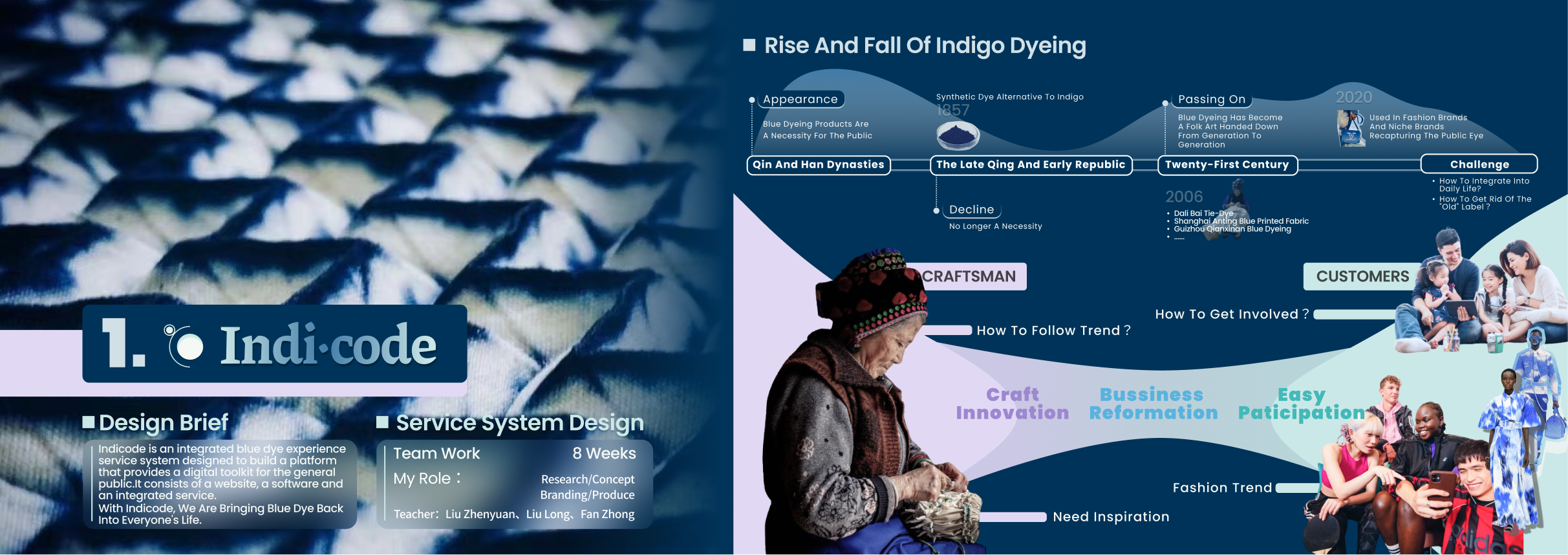
IndiCode — Adaptive Coding Education

A learner-first coding-education platform built around personal pathways and real-time feedback. Designed during my undergraduate studies at Tongji's College of Design and Innovation as part of an industrial-design exploration into how tech literacy gets taught.

Role

Designer · Researcher

Type

Education tech platform

Period

2024 · Tongji D&I

Tools

Figma · User research

01 / Context

Why most coding tools under-serve beginners.

Existing coding-education products tend to optimise for one of two extremes: gamified beginner platforms that don't transfer to real codebases, or professional tools whose configuration overhead overwhelms first-time learners.

The starting question for IndiCode was simple: could a single tool support a learner from Hello World through their first portfolio project — adapting its complexity to where they actually are, not where the syllabus thinks they should be?
02 / Approach

Designing for the middle.

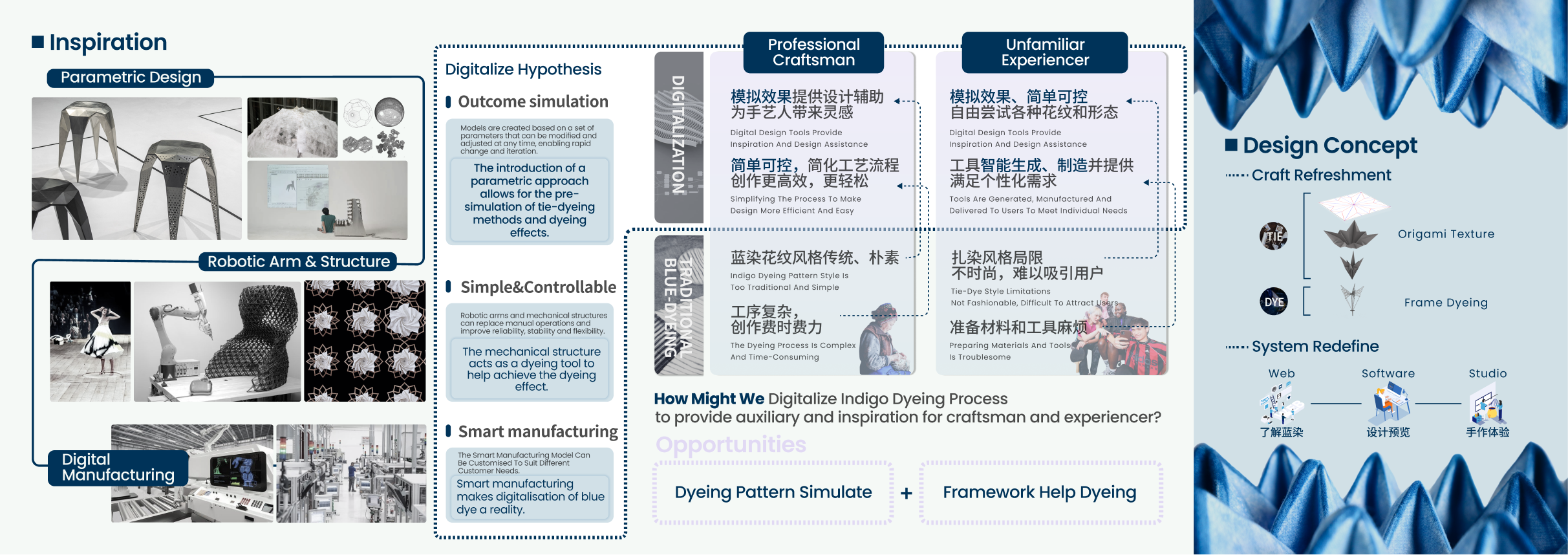
IndiCode's core insight was that the hardest moments in learning to code aren't at the very start (motivated, supported) or the end (working in real codebases). They're in the middle — when concepts compound, syntax gets unforgiving, and the reward feels far away.

The design responses were:

Conceptual frame

Treat the coding tool as a teaching companion, not a syllabus. Adapt to the learner's pace, recognise when they're stuck, and reward the small wins that compound into competence.

03 / Reflection

From industrial design to information design.

As an industrial-design student, IndiCode was my first deep dive into pure information design. The constraints felt unfamiliar — no physical material, no manufacturing tolerance — but the underlying questions were the same: how do form, sequence, and feedback shape what the user can do?

The project pushed me toward the design-strategy direction I'm pursuing now in my Master's, where these questions extend beyond a single product to whole systems.